Heating: identify the primary system
Cabins may use electric radiators, a central heating system, a heat pump, a wood stove or a combination. Ask which system is the primary source of heat and whether guests are expected to adjust it. Confirm any operating instructions before arrival, especially if the cabin has more than one heat source.
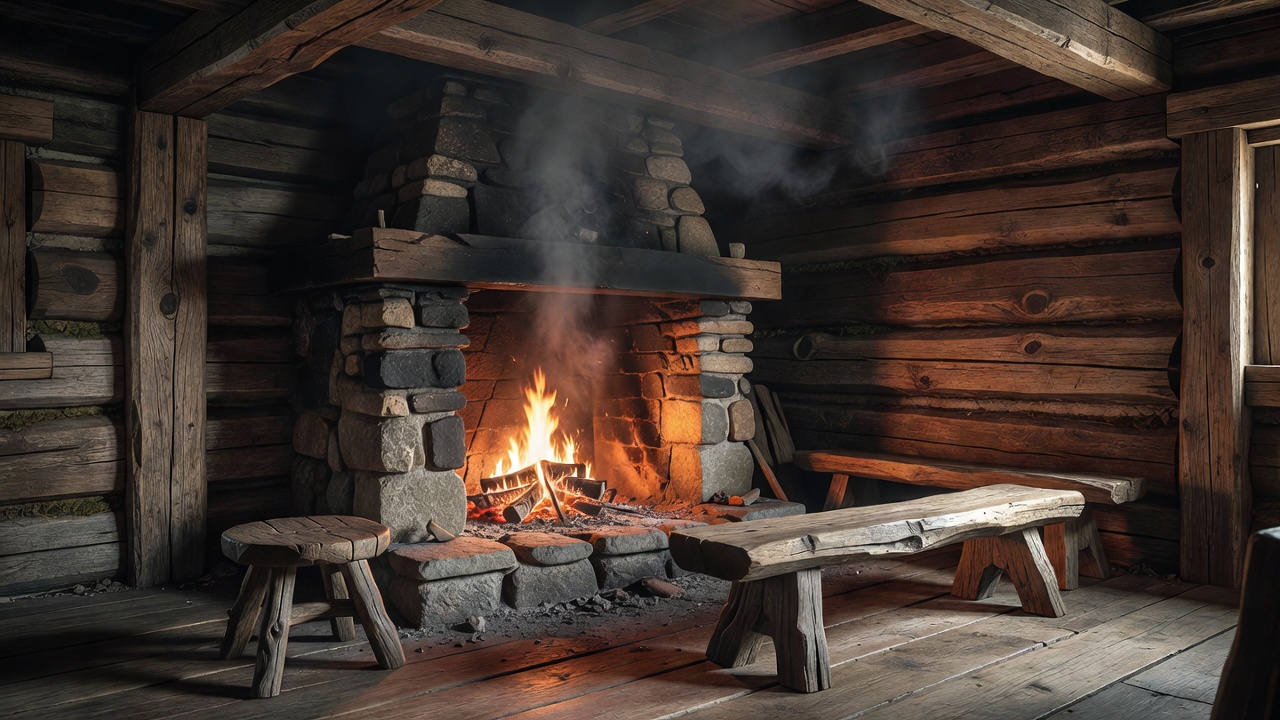
A fireplace can add atmosphere, but it may not heat every room. A wood stove also requires specific operating knowledge and clear safety guidance. Do not assume firewood is included or that an appliance can be used without instruction. Follow the accommodation provider's directions and any posted restrictions.
Check whether the entrance and bathroom are heated, whether controls are clearly labelled and who to contact if a system does not work. These details matter more than the mere presence of a hearth.
Fireplace and wood stove
Ask whether the hearth is functional, what fuel is permitted and whether fuel is supplied. Confirm where ash, kindling and tools are kept, and follow the property's written directions. Never improvise around a stove or fireplace. If the instructions are unclear, contact the responsible provider before using it.
A closed wood stove and an open fireplace behave differently. A closed appliance can provide controlled heat when properly used; an open hearth may be primarily decorative or supplementary. The listing should clarify intended use. Carbon monoxide alarms and smoke alarms are important safety provisions; ask the provider what is installed and report any concern.
Sauna and wash facilities
Saunas are common in many Nordic settings but are not a standard feature of every cabin. Check whether a sauna is private, shared, indoor or separate from the main building. Confirm access instructions, whether towels are supplied and whether additional rules apply. Do not infer availability from regional culture or photographs.
Water and bathing arrangements need equal attention. A cabin may have full indoor plumbing, a limited-capacity system or facilities in a separate structure. Confirm drinking-water arrangements, hot water, bathroom access and any instructions for conserving water. This is especially important for longer stays and larger groups.
Kitchen and food storage
“Kitchen” can describe anything from a full cooking area to a small kitchenette. Check the equipment list for a cooktop, oven, refrigerator, cookware and basic utensils. Ask whether staples are supplied or whether guests should bring all food and household consumables.
Plan meals around the facilities stated in the listing. If the cabin is remote, confirm where supplies can be bought and whether shops or services operate during your travel dates. Do not rely on an assumed nearby grocery option.
Drying space and winter storage
Wet outerwear, boots and gloves take up space. Look for an entrance bench, hooks, boot tray or a dedicated drying area. A heated drying cabinet may be available in some cabins, but it is not universal. Ask where damp gear should go and whether equipment such as boot dryers may be used.
Keep circulation clear. A small entry area can become crowded quickly when several people arrive in winter clothing. A separate mudroom or utility space can make shared living more comfortable. Check whether there is storage for skis or snowshoes, and whether equipment can be brought indoors.
Lighting, sleep and practical comfort
Short daylight periods make good indoor lighting useful. Confirm that the cabin has adequate general lighting and working lamps in sleeping areas. If arriving after dark, ask how to reach the entrance and whether exterior lighting is controlled manually.
Review the bed layout, mattress arrangement and supplied bedding. A stated occupancy limit does not tell you whether beds are in private rooms, an open loft or a shared space. Families and groups may need different arrangements. Check curtains, storage and plug locations if these affect your routine.
Good for
This checklist is useful for anyone comparing cabins, particularly groups with children, longer stays, mobility needs or a plan to cook and dry outdoor clothing indoors. Guests unfamiliar with wood heating should prioritise clear instructions and a reliable primary heating system.
What to know
Amenities vary property by property. Confirm what is included, what is safe to operate and what requires advance preparation. If the listing is unclear, ask the provider before travel. Never treat an amenity photo as proof that an appliance is available for guest use.