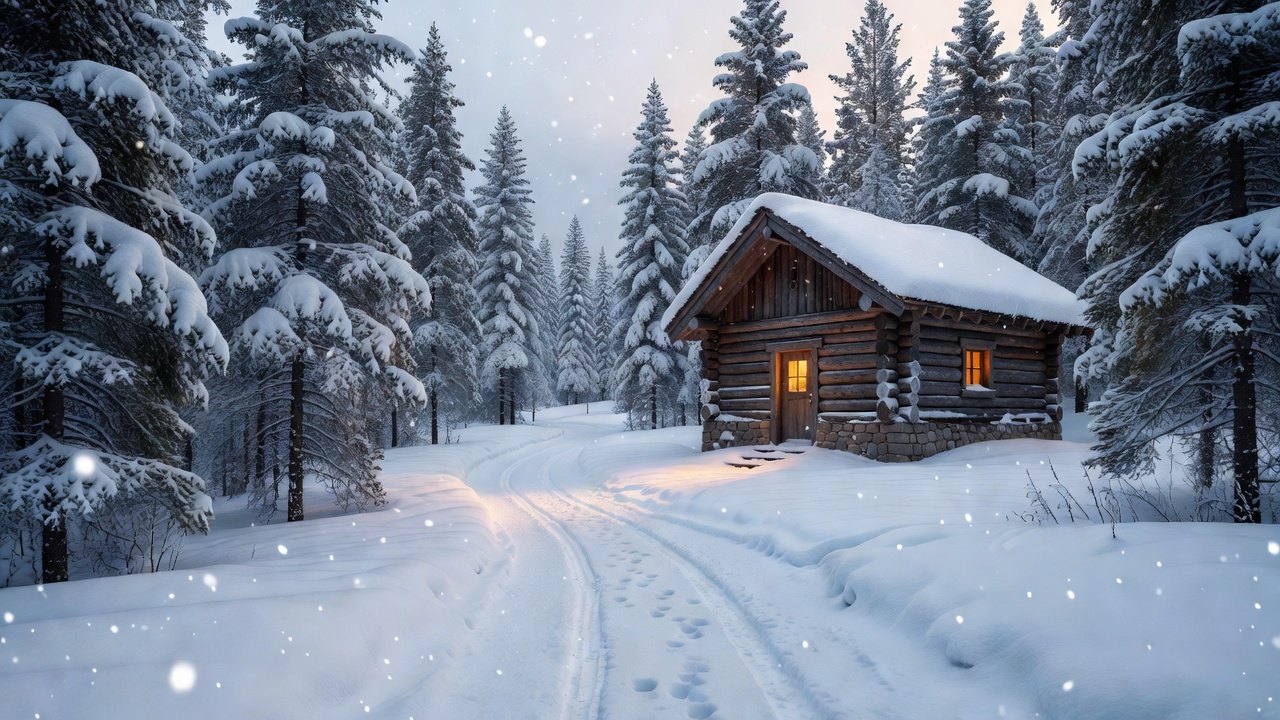
Choose timing with daylight in mind
Winter daylight varies by latitude, date and local weather. Check sunrise and sunset information for your destination and plan arrival with enough margin to find the property and unload safely. If arrival may be after dark, ask the provider for clear written directions, entry instructions and exterior-light details.
Seasonal conditions are not fixed. Snow cover, road maintenance, open services and activity access change from year to year. Check forecasts and official travel information close to departure. Keep plans flexible and do not assume an activity or service will be available because it operated in a previous season.
Confirm access before travel
Ask how the final approach works in winter. Confirm parking, surface conditions, whether the route is maintained and whether there is a walk from the parking area to the cabin. Clarify who is responsible for clearing any guest-access path and whether the property has steps or uneven surfaces.
Use current local road and weather guidance for travel decisions. Do not rely on this guide for driving instructions. If the accommodation requires specialist transport or a particular arrival arrangement, obtain those details directly from the provider before setting out. Have a backup contact method in case mobile service is limited.
Pack in practical layers
Pack clothing that can be adjusted across indoor and outdoor conditions. Base layers, insulating layers and a weather-resistant outer layer allow more flexibility than one heavy garment. Include warm socks, gloves or mittens, a hat and footwear suited to snow and ice. Bring spare gloves and socks if you expect time outside.
Pack clothing for the actual itinerary, not an idealised forecast. Include indoor layers for a cabin that may feel cooler than expected, and check whether the property provides towels, bedding and indoor slippers. Personal needs, activity level and local advice should shape the final list.
- Layered outdoor clothing and spare dry items.
- Footwear with suitable traction for local conditions.
- Personal medication and a small first-aid kit.
- Chargers, power bank and any required travel documents.
- Headlamp or torch if arrival or outdoor movement may be in low light.
Heating and firewood
Ask what heats the cabin, how controls work and whether guests need to operate a stove. Confirm which fuel is supplied, if any, and how to request more. Get written instructions from the provider. If information is missing, do not operate unfamiliar heating or fire equipment until you have clear guidance.
Follow all posted safety information and local restrictions. Do not improvise with a fireplace or use outdoor equipment indoors. Make sure the provider can explain alarm locations and the correct contact for a heating problem. Keep the primary heating arrangement clear before arrival rather than treating a decorative hearth as the only heat source.
Food and household supplies
Confirm whether the kitchen has the equipment you need and whether basic supplies are included. For a remote cabin, plan meals that fit the stated facilities and bring essential ingredients from a reliable source. Ask about drinking water, waste handling and any local instructions for recycling or food storage.
Do not assume shops, restaurants or delivery services are nearby or open. Verify current services through the relevant provider. Carry enough food for the planned arrival period and a reasonable delay, in line with your own needs and local transport advice.
Communication and emergency preparation
Check expected mobile coverage with the provider and your network operator. Save the cabin address, directions and host contact offline. Share your itinerary with someone outside the travelling group, especially if you plan to go beyond nearby maintained paths. Identify local emergency numbers and follow official advice for the destination.
Know how to contact the responsible accommodation provider if access, water or heating differs from the instructions. Keep essential medication accessible. A charged phone and a backup power source are useful, but neither guarantees coverage or assistance in a remote area.
Responsible cabin use
Respect quiet hours, private land, wildlife and local access rules. Use only marked or permitted routes. Keep waste contained and follow the property's disposal instructions. Use water and heating thoughtfully, especially where the cabin has limited systems. Leave equipment where the provider specifies and report damage or faults promptly.
Use sauna, stove and fireplace facilities only as directed. Do not leave heat-producing equipment unattended unless the instructions explicitly require a different procedure. When in doubt, ask the provider and follow local safety advice.
Good for
This checklist suits first-time cabin guests, groups travelling with children and anyone staying somewhere with limited services. It also helps experienced winter travellers confirm property-specific details rather than relying on assumptions.
What to know
Conditions and access can change quickly. Check current official information and follow instructions from the accommodation provider. This guide is general planning information, not a weather forecast, route assessment or substitute for emergency advice.