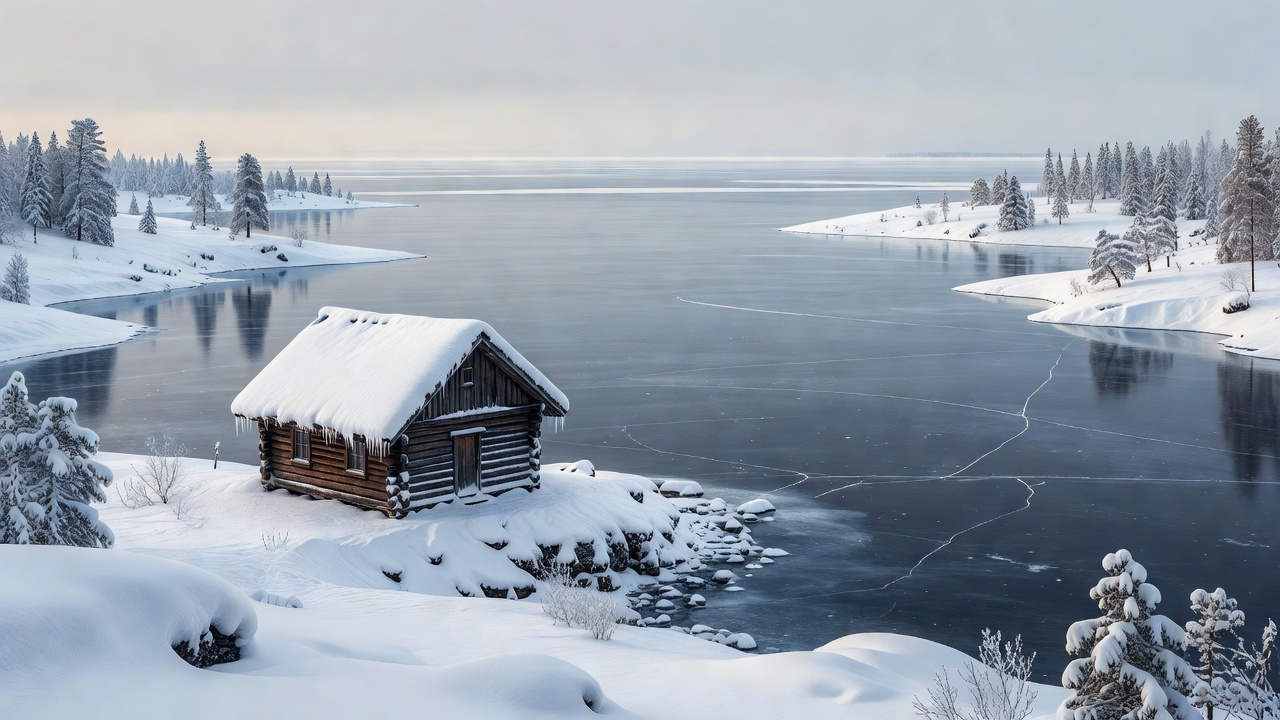
What defines a winter cabin
A Scandinavian winter cabin is a small or moderate-scale dwelling used for seasonal or year-round stays in a Nordic climate. It may be an old timber structure, a contemporary insulated house or a simple retreat with limited services. “Cabin” describes a broad building type, not a standard level of comfort.
Look for specific information about heating, water, road access and winter maintenance. A photograph cannot tell you whether the approach is cleared, whether indoor plumbing is available, or whether guests need to manage a stove. Ask the provider for operating instructions and current access details before committing.
Cabin size is practical information. A compact layout may suit a small group that spends much of the day outdoors. Larger groups need enough sleeping places, shared seating and room to dry clothing without blocking circulation.
Read the setting
Forest cabins
A forest site often offers shelter from wind and direct access to woodland paths. Trees can also limit sightlines and daylight. Check how far the cabin sits from its parking area, neighbouring buildings and maintained roads. A remote-feeling setting may still have nearby services—or none within easy reach.
Lakeside cabins
A lake creates an open outlook and may shape local recreation. In winter, shore access, ice and snow cover are variable. Do not assume a frozen lake is safe to cross or suitable for skating. Use local guidance and posted restrictions; choose a marked, maintained option where available.
Mountain and upland cabins
Exposed terrain can bring more demanding weather and access conditions than sheltered woodland. Confirm the route and transport assumptions with the accommodation provider. A scenic position is not a substitute for clear arrival information.
Regional character without assumptions
Cabin traditions differ across Norway, Sweden, Denmark, Finland and other Nordic areas. Climate, terrain, building history and local materials all influence design. Inland forest settlements, coastal settings and higher terrain present different combinations of wind, snow, daylight and services.
Do not use a country label as a proxy for a particular facility. A sauna, fireplace, indoor toilet or stocked kitchen is not guaranteed by location or architectural style. Verify each feature at the individual property. For activities, confirm local access and current rules through the relevant land manager or official provider.
Seasonal timing also varies within a region. Winter daylight changes with latitude and date. Snow cover, road maintenance and open facilities can change from year to year. Build plans around current local information rather than a fixed seasonal expectation.
Remote or accessible?
“Remote” can mean a quiet position, a long transfer, a walk from parking, or limited mobile reception. Ask what the description means in practical terms. Clarify whether the route is maintained, whether a vehicle can reach the door, where supplies can be collected and what communication options are available.
An accessible location may reduce arrival complexity and make resupply simpler. It can also mean more nearby activity or less separation from other buildings. Neither option is automatically better. Match the trade-off to your group, transport, mobility and comfort with self-sufficiency.
Before choosing a stay
- Confirm sleeping capacity and bed configuration for every guest.
- Ask how the cabin is heated and whether guests must operate any equipment.
- Check water, bathroom, cooking and drying arrangements.
- Get written arrival, parking and winter-access instructions.
- Confirm what bedding, kitchen supplies and firewood are provided.
- Ask about mobile coverage, emergency contacts and nearby services.
These questions are more useful than relying on broad labels such as “cosy,” “remote” or “fully equipped.” Request current details directly from the accommodation provider.
Good for
A cabin suits travellers who want a self-contained base, value time indoors between outdoor plans and are comfortable checking practical details in advance. Forest sites can work well for quiet walks. Lakeside locations can suit landscape-focused stays when shore conditions and access are understood. More accessible cabins may fit short stays or groups that prefer simpler logistics.
What to know
Winter cabin standards are not uniform. Verify the exact building, heating instructions, access route and supplied equipment. Conditions can change after arrival plans are made. Check current local weather and official travel advice, and do not treat frozen water or unmaintained routes as safe by default.