Cross-country skiing
Cross-country skiing works on groomed trails and, for experienced skiers, suitable ungroomed terrain. Trail networks and maintenance differ by location. Check whether a route is currently open, whether trail use is permitted and if equipment hire is available through a local provider. Do not assume a cabin sits beside a maintained track.
Match route length and terrain to your ability. Carry appropriate clothing, water and a way to navigate. On unfamiliar ground, use marked routes and follow local guidance. Conditions can change, and daylight may limit the time available for an outing.
Snowshoeing and winter walking
Snowshoes can make movement easier through suitable snow, but they do not remove the need to plan a route. A snow-covered path may hide uneven ground, drainage or other obstacles. Choose a route that fits the group and confirm access rights and restrictions locally.
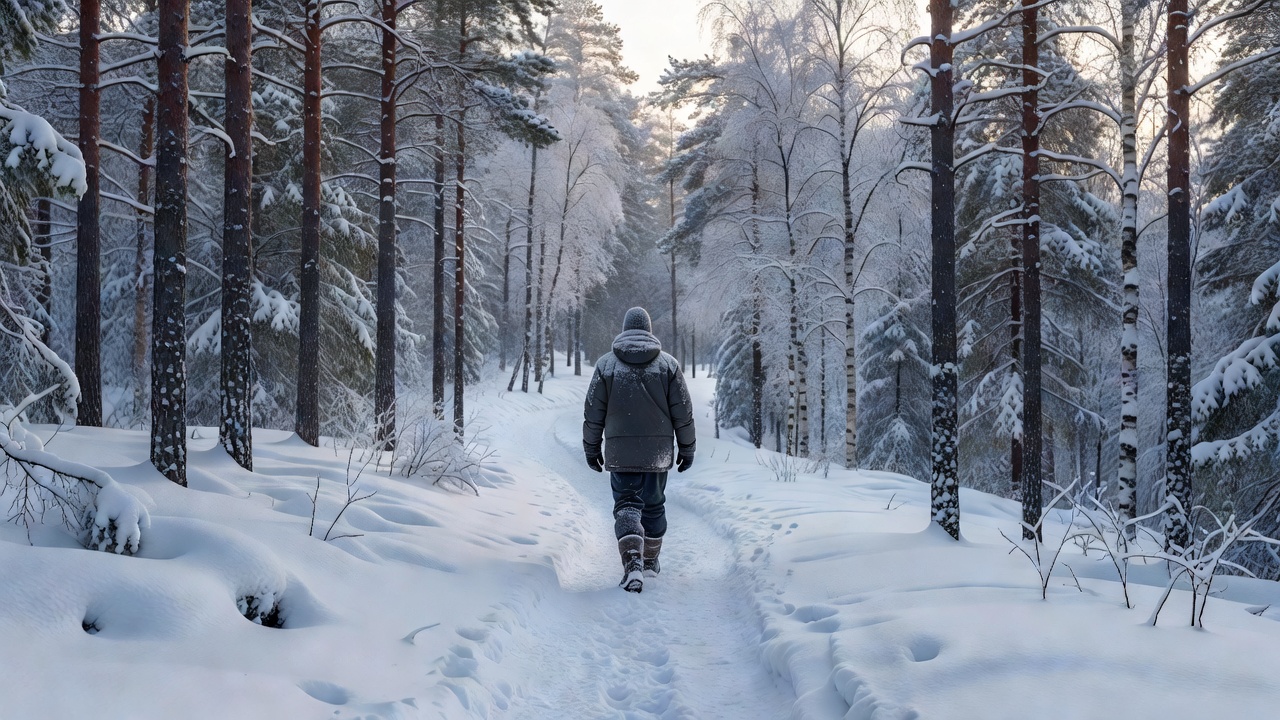
Winter walking needs warm layers, footwear with appropriate grip and a realistic turnaround plan. Keep the group together and account for daylight. If the route is not maintained or visibility is poor, select a shorter, familiar option or remain close to the cabin.
Skating and sledding
Skating is appropriate only where a local authority or responsible land manager identifies a safe, permitted area. Natural ice thickness and quality vary across a surface and over time. Snow can conceal weak areas. Never assume a frozen lake is safe because it looks solid or because other people are present. Use maintained rinks or officially designated areas and follow local rules.
Sledding needs a suitable, permitted slope with clear runout space and no hidden hazards. Check whether the area is managed for the activity. Use protective equipment appropriate to the conditions, supervise children and avoid roads, trees and unmarked terrain.
Photography and quiet nature time
Snow, low winter light and evergreen cover can make simple photography rewarding without a demanding route. Protect batteries from cold, carry spare power where appropriate and keep equipment accessible without exposing yourself to prolonged cold. A nearby woodland edge or cabin path may be enough for a short photo walk.
Observe wildlife from a distance. Avoid feeding animals, leaving food waste or disturbing resting areas. Stay on established routes where possible and respect private land, signage and seasonal closures. Quiet nature time can be as simple as a short walk with a warm return plan.
Sauna as part of the day
A sauna can be an indoor activity or a part of a winter routine, but access and operating practices vary. Confirm whether the cabin includes one, whether it is private and what instructions apply. Use the facility only as directed. Guests should make personal choices suited to their health and comfort; sauna use is not an outdoor safety measure or substitute for suitable clothing.
Plan around conditions
Build a flexible activity plan. Identify a primary option and a lower-effort alternative. Check local forecasts and official updates on trails, ice, transport and facility access on the day. Ask the provider for nearby route information, but verify any time-sensitive details with the responsible authority or operator.
- Choose routes that match the least experienced person.
- Check daylight and weather before leaving.
- Carry suitable clothing, water and essential communication equipment.
- Tell someone your intended route and return plan when going beyond the immediate area.
- Turn back when conditions, visibility or energy change.
Do not plan around unverified opening hours, rental availability or event schedules. Contact the relevant provider directly for current information.
Good for
Cross-country skiing suits people with the skills and access to a suitable trail. Snowshoeing and walking offer flexible ways to explore when routes permit. Skating and sledding require designated safe areas. Photography and cabin-based sauna time work well as lower-distance choices.
What to know
Winter activities are condition-dependent. No activity is guaranteed by a cabin's location or by the season. Follow local rules, use designated areas and check current official guidance. This page is general information, not a route assessment or safety certification.